Oral Health: Essential for Children to the Elderly In Nepal, oral cancer is more common in men over 50 years of age, and smoking is the main cause, and new cases have increased by 35.71 percent. 'In today's busy lifestyle, not all of us are able to keep our mouths healthy, which directly affects our overall physical health. Therefore, a healthy mouth is a healthy life.' The slogan of World Oral Health Day 2026 is 'A Happy Mouth is a Happy Life'. Due to their damaged teeth, they are afraid and hesitant to speak or laugh in front of a crowd of people. This also affects their mental health. On the other hand, they feel inferior and consider themselves weak. There are many problems that arise from not keeping their mouths healthy. Nowadays, various types of problems are seen in the teeth of young children to the elderly. Dental problems and pain also affect a person's eating and sleeping habits, which negatively affects their overall physical health. Today, abou...
Musculoskeletal disorder is a serious problem related to bones, learn about it
Our body is a complex machine, in which bones, muscles, joints, ligaments, tendons and cartilage make up the musculoskeletal system. This system helps in structure, stability and movement of the body. The function of bones is to keep the structure of the body in order and muscles help in keeping the movement of your body in order. Apart from this, joints connect bones, ligaments provide stability to joints, tendons connect muscles to bones and cartilage protects joints from friction. Musculoskeletal disorders (MSD) are the malfunctions of this system.
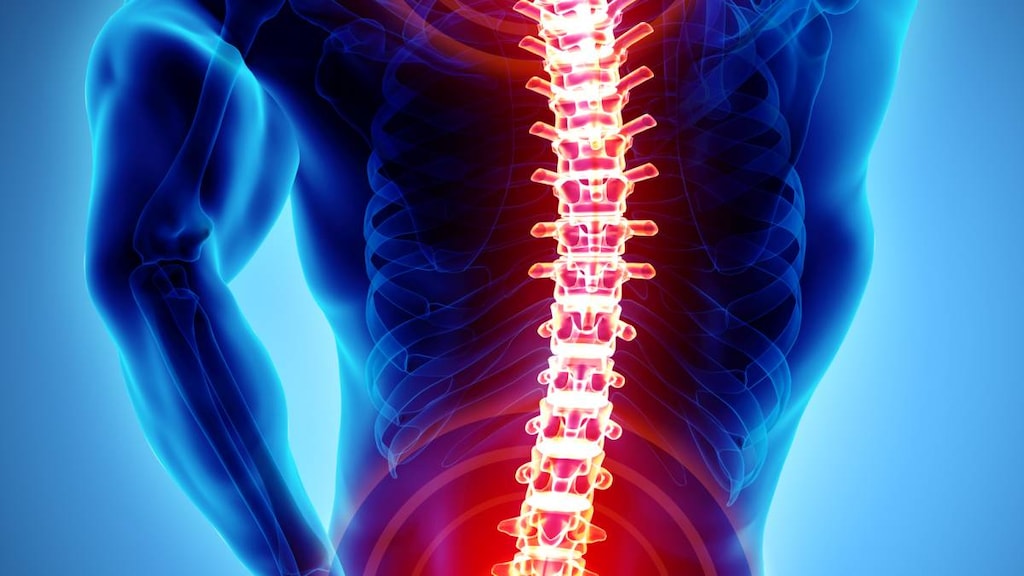
Musculoskeletal disorders can occur for many reasons. Some of the main reasons for this are as follows-
Injuries: Falls, sports injuries, weight lifting injuries are common causes of musculoskeletal disorders. Injuries can cause bones to break (fracture), ligaments to stretch (sprain), tendons to become inflamed (tendinitis) or muscles to strain.
Overuse: Doing the same activities over and over again can put pressure on muscles and joints, leading to problems like swelling, pain and fatigue. Carpal tunnel syndrome is an example of this.
Infection: Sometimes a bacterial or viral infection can also cause inflammation in the bones, joints or muscles.
Autoimmune disease: In autoimmune diseases, the body's immune system attacks its own cells by mistakenly thinking they are foreign substances. This can cause problems like swelling and pain in the joints. Rheumatoid arthritis is an example of this.
Aging: With aging, bone density decreases and cartilage wears down in the joints, which can lead to problems like osteoarthritis.
Lifestyle: Unhealthy diet, smoking and lack of exercise can also increase the risk of musculoskeletal disorders. For example, calcium and vitamin D deficiency can cause weak bones.
Symptoms of musculoskeletal disorders are as follows-
Pain: Pain in the joints, muscles or bones is the most common symptom of musculoskeletal disorders. The pain can be sharp or dull and can be constant or intermittent.
Stiffness: Joints may feel stiff, especially in the morning.
Swelling: Swelling may occur in the affected area, causing the skin to become red and warm.
Weakness: Muscle weakness may be felt.
Prevention of Musculoskeletal Disorders-
Adopt Correct Posture: Adopt correct posture while working. While sitting in front of the computer, keep your back straight and keep the screen at eye level. Do not sit or stand in one position for a long time.
Personal hygiene and regular exercise: Regular exercise increases the strength and flexibility of muscles and joints. Do activities like yoga, stretching, and aerobic exercise.
Balanced diet: Eat a diet rich in calcium and vitamin D, which are important for bone health. Include green leafy vegetables, dairy products, and fish in your diet.
Maintain weight: Maintaining a healthy weight reduces the risk of musculoskeletal disorders. Being overweight puts extra pressure on bones and joints.
Safe Work System: If your work is physically demanding, follow proper techniques. When lifting heavy objects, lift correctly and use tools correctly.
Rest and Sleep: Get enough sleep and rest to rest the body. It helps in the repair and rehabilitation of muscles and joints.
Comments
Post a Comment
If you have any doubts. Please let me know.