Oral Health: Essential for Children to the Elderly In Nepal, oral cancer is more common in men over 50 years of age, and smoking is the main cause, and new cases have increased by 35.71 percent. 'In today's busy lifestyle, not all of us are able to keep our mouths healthy, which directly affects our overall physical health. Therefore, a healthy mouth is a healthy life.' The slogan of World Oral Health Day 2026 is 'A Happy Mouth is a Happy Life'. Due to their damaged teeth, they are afraid and hesitant to speak or laugh in front of a crowd of people. This also affects their mental health. On the other hand, they feel inferior and consider themselves weak. There are many problems that arise from not keeping their mouths healthy. Nowadays, various types of problems are seen in the teeth of young children to the elderly. Dental problems and pain also affect a person's eating and sleeping habits, which negatively affects their overall physical health. Today, abou...
How Generative AI Is Changing Creative Work
Generative artificial intelligence (AI) refers to AI systems that are able to generate new content or ideas based on a set of input data or rules. This technology has the potential to significantly impact the field of creative work, including design, music, and writing.
One way that generative AI is changing creative work is by enabling the creation of new content that would not be possible with traditional methods. For example, generative AI can be used to create original music compositions or to design unique patterns and textures. This can allow creative professionals to explore new directions and to produce work that would not be possible with traditional methods.
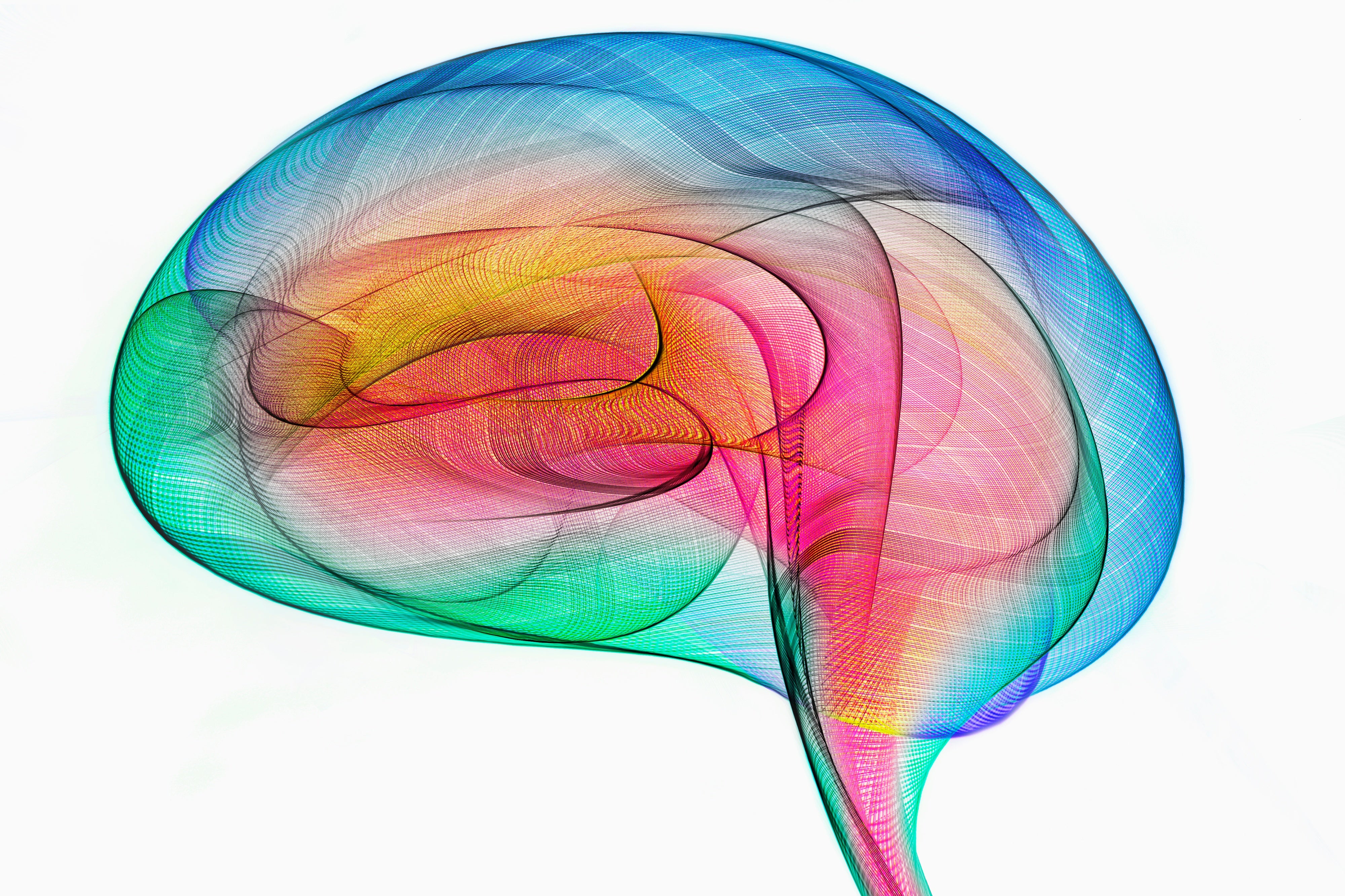
Another way that generative AI is changing creative work is by automating certain tasks and processes. For example, AI can be used to generate rough drafts of written content or to assist with the layout and design of visual materials. This can save time and resources for creative professionals, allowing them to focus on more complex and creative tasks.
However, it's important to recognize that generative AI is not a replacement for human creativity and expertise. While it can be a valuable tool, it is unlikely to fully replicate the creative process and produce truly original and innovative work. It is also important to consider the potential impacts of generative AI on employment and to ensure that it is used in a way that complements and enhances, rather than replaces, human creativity and expertise.
Generative artificial intelligence (AI) is a type of AI that is able to generate original content, such as images, texts, and music. It does this by using machine learning algorithms to analyze patterns in data and generate new content based on those patterns.
Generative AI has the potential to change creative work in a number of ways. For example, it can be used to assist with tasks such as image recognition, pattern detection, and color selection, freeing up time and resources for more complex and creative tasks. It can also be used to generate basic designs and layouts, or to provide inspiration for new ideas.
However, it's important to recognize that generative AI is not a replacement for human creativity and expertise. While it can be a valuable tool, it is unlikely to be able to fully replicate the creative process and produce truly original and innovative artwork.
Overall, generative AI has the potential to change creative work by assisting with certain tasks and providing inspiration for new ideas, but it is important to recognize its limitations and to use it in a way that complements and enhances, rather than replaces, human creativity and expertise.
Comments
Post a Comment
If you have any doubts. Please let me know.